
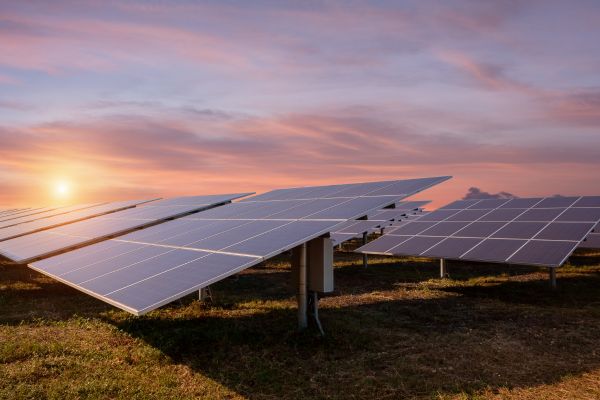
Solar power has quietly transformed from a niche environmental idea into one of the defining technologies of modern energy systems. Not long ago, solar panels were mostly associated with experimental homes, remote research stations, or ambitious sustainability projects. Today, they appear on suburban rooftops, industrial warehouses, apartment buildings, and even floating platforms in reservoirs.
What makes the current moment especially interesting is not simply the widespread adoption of solar energy, but the speed of innovation happening behind the scenes. Engineers, researchers, architects, and urban planners are rethinking what solar technology can actually do. Panels are becoming thinner, smarter, and more efficient. Energy storage systems are evolving alongside them. Entire cities are beginning to integrate solar infrastructure into everyday design in ways that would have seemed unrealistic a decade ago.
The conversation around solar energy innovations is no longer limited to environmental responsibility. It now includes architecture, economics, transportation, digital technology, and even lifestyle changes. Solar power is gradually becoming woven into the structure of modern life itself.
The Shift From Basic Panels to Intelligent Solar Systems
Early solar technology was relatively straightforward. Panels absorbed sunlight and converted it into electricity through photovoltaic cells. The concept worked, but efficiency levels were modest, and costs were high enough to limit accessibility.
Modern systems operate very differently.
Today’s solar installations often include intelligent monitoring platforms that track energy production in real time. Homeowners can open a smartphone app and see exactly how much electricity their roof is generating at any given moment. Some systems automatically adjust energy usage based on weather forecasts or electricity demand patterns.
Artificial intelligence is increasingly involved as well. AI-powered energy management tools can predict peak sunlight hours, identify maintenance issues before failures occur, and improve energy distribution across power grids.
This shift toward intelligent systems has changed how people interact with renewable energy. Solar technology no longer feels passive or disconnected. It has become more responsive and integrated into daily routines.
Breakthroughs in Solar Panel Efficiency
One of the biggest areas of progress involves efficiency. Traditional silicon solar panels have improved steadily over time, but researchers are now exploring entirely new materials capable of generating more electricity from the same amount of sunlight.
Perovskite solar cells are among the most talked-about developments in the renewable energy sector. These materials are lightweight, flexible, and potentially far less expensive to manufacture than conventional silicon panels. More importantly, laboratory tests suggest they could achieve remarkably high efficiency rates.
There is still work to be done before perovskite systems become fully mainstream. Stability and long-term durability remain concerns. Still, many experts believe they could redefine solar manufacturing over the next decade.
Another fascinating development involves tandem solar cells. These systems combine multiple materials to capture different portions of the solar spectrum more effectively. Instead of relying on a single layer, tandem cells stack technologies together, increasing overall energy conversion.
Efficiency gains may sound technical, but their impact is surprisingly practical. Higher efficiency means smaller installations can produce more power, making solar energy more accessible in crowded urban areas where space is limited.
Transparent Solar Panels and Solar Glass
Some of the most intriguing solar energy innovations are happening in architecture.
Transparent solar panels, sometimes called solar glass, are being developed to function as windows while simultaneously generating electricity. Imagine office towers, shopping centers, or apartment buildings where the glass surfaces themselves help power the structure.
The idea feels futuristic, yet research prototypes already exist.
While transparent panels currently produce less electricity than traditional rooftop systems, their potential scale is enormous. Cities contain vast amounts of glass-covered surface area. Turning even a fraction of those surfaces into energy-producing infrastructure could significantly reshape urban energy production.
Architects are also experimenting with solar-integrated facades, solar roof tiles, and building materials that blend renewable energy generation directly into construction design. These systems often look far more natural than earlier panel installations, which many people considered visually intrusive.
In a subtle way, solar technology is becoming less noticeable even as it becomes more common.
Floating Solar Farms Are Expanding Rapidly
Land availability has always been a challenge for large-scale solar projects. Massive solar farms require significant space, which can create conflicts with agriculture, conservation efforts, or urban development.
Floating solar farms offer an interesting alternative.
These installations place solar panels on floating platforms positioned over reservoirs, lakes, or industrial water bodies. Besides saving land space, floating systems can actually improve panel efficiency because water helps cool the equipment naturally.
Several countries are investing heavily in this approach, particularly regions with limited land resources but high energy demand. In some cases, floating solar arrays are paired with hydroelectric facilities, allowing the two renewable systems to complement each other.
There is also an environmental angle worth noting. Floating panels can reduce water evaporation in certain climates, which may provide additional benefits in drought-prone regions.
The technology is still evolving, but it demonstrates how renewable energy systems are becoming increasingly adaptive and creative.
Solar Energy Storage Is Changing Everything
One of the longstanding criticisms of solar power has involved reliability. Solar panels only generate electricity when sunlight is available, creating obvious limitations during nighttime or cloudy weather.
Energy storage technology is changing that equation rapidly.
Modern battery systems allow homes, businesses, and utility providers to store excess solar energy for later use. Lithium-ion batteries currently dominate the market, but researchers are exploring alternatives such as sodium-ion, solid-state, and flow batteries.
The relationship between solar panels and battery storage has become central to renewable energy infrastructure. Together, they create systems capable of operating far more independently from traditional electrical grids.
In some regions, entire neighborhoods now rely partially on localized solar storage networks. These microgrids can continue functioning during broader power outages, improving energy resilience during extreme weather events.
What once felt like a technical limitation is gradually becoming manageable through smarter storage solutions.
Solar Technology in Transportation
Transportation is becoming closely connected with solar innovation.
Electric vehicles often receive the most attention in discussions about sustainable transportation, but solar integration is quietly expanding as well. Researchers are developing solar-assisted cars capable of supplementing battery charging through rooftop photovoltaic systems.
Although solar-powered vehicles are unlikely to replace conventional charging entirely anytime soon, they can extend driving range and improve efficiency.
Public transportation systems are also incorporating solar infrastructure. Bus stations, train terminals, and parking facilities increasingly use solar canopies to generate electricity while providing shade.
Even aviation and maritime industries are experimenting with solar-assisted systems. Some projects remain highly experimental, but they reflect a growing effort to integrate renewable energy into multiple forms of transportation simultaneously.
The broader trend suggests that solar technology is no longer confined to stationary power generation alone.
Smart Cities and Urban Solar Design
Urban planning is beginning to change in response to renewable energy technology.
Modern smart city concepts increasingly include solar-powered infrastructure such as streetlights, charging stations, traffic systems, and public facilities. Some cities are redesigning neighborhoods to maximize natural light exposure for rooftop solar systems.
There is also growing interest in solar-integrated public spaces. Parks, walkways, and recreational areas are being designed with built-in renewable energy systems that contribute electricity back into local grids.
Urban solar design is becoming about more than efficiency. It also reflects changing cultural attitudes toward sustainability and resource management.
People are becoming more accustomed to seeing renewable energy infrastructure as part of normal city life rather than as specialized environmental projects.
The Challenges Behind Solar Expansion
Despite remarkable progress, solar energy innovations still face important challenges.
Manufacturing solar equipment requires significant raw materials, including rare minerals and specialized components. Supply chain disruptions can slow production and increase costs. Recycling older solar panels is another issue receiving increased attention as earlier generations of equipment reach the end of their lifespan.
Energy infrastructure also needs modernization. Many national power grids were designed around centralized fossil fuel plants rather than decentralized renewable systems. Integrating large amounts of solar energy into existing networks requires careful planning and investment.
Weather variability remains a practical concern as well. While battery storage helps address inconsistency, solar power still depends heavily on environmental conditions.
Economic inequality also shapes access to renewable technology. In many regions, upfront installation costs remain difficult for lower-income households despite long-term savings potential.
These challenges do not erase the progress being made, but they do remind us that technological transitions are rarely simple.
The Human Side of Solar Innovation
What makes solar energy particularly interesting is how personal it has become.
People no longer encounter solar technology only through government projects or industrial developments. They see it in homes, schools, workplaces, and local communities. Children grow up recognizing rooftop panels as ordinary parts of neighborhoods. Conversations about electricity increasingly include ideas like storage, efficiency, and renewable generation.
There is also a psychological shift happening. Renewable energy once carried a strong sense of sacrifice or limitation. Today, many people associate it with innovation, independence, and modernization instead.
That cultural transformation may be just as important as the technology itself.
Conclusion
Solar energy innovations are reshaping the future of power generation in ways that extend far beyond simple electricity production. Advances in panel efficiency, transparent solar materials, floating solar farms, intelligent energy systems, and battery storage are transforming renewable energy into a far more practical and integrated part of everyday life.
The transition is still unfolding, and many technical, economic, and infrastructure challenges remain. Yet the pace of development suggests that solar technology will continue evolving rapidly over the coming years.
Perhaps the most remarkable aspect of this transformation is how naturally solar energy is beginning to fit into modern environments. What once seemed experimental now feels increasingly ordinary. Rooftops, windows, parking lots, and public spaces are slowly becoming part of a larger renewable energy network.
As innovation continues, solar power may no longer be viewed simply as an alternative energy source. Instead, it could become one of the defining foundations of how future cities, homes, and communities operate.