
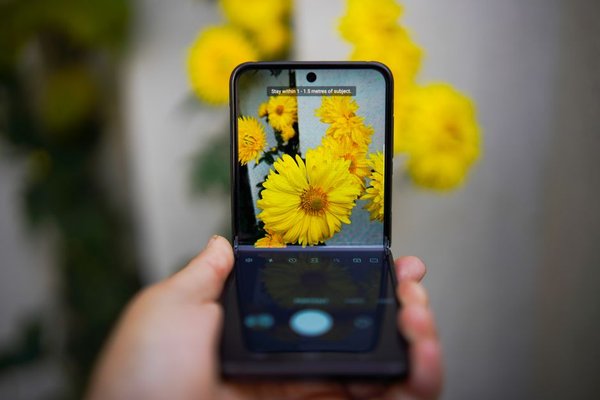
Foldable phones are no longer fragile-looking experiments reserved for early adopters. The latest models have stronger frames, better-engineered hinges and more mature flexible displays. Even so, durability remains the biggest reason many buyers hesitate. A conventional smartphone is a rigid slab; a foldable adds moving parts, a softer inner screen and a crease that bends every time the device opens.
So, are foldable phones worth it from a durability perspective? For careful owners who value a pocketable large screen, the answer can be yes. For people who work around dust, frequently drop their phone or keep devices for many years, a traditional flagship is safer.
How durable are modern foldable phones?
Modern foldables are tougher than first-generation devices. Manufacturers now use reinforced frames, redesigned hinges, tougher cover glass and ultra-thin glass beneath the flexible display. Many current models also carry an IP rating for water and limited dust resistance.
That progress matters, but foldable phone durability is not identical to conventional phone durability. The outer display may feel like the screen on any premium handset, while the inner display remains more delicate. It needs to bend, so its top layer is softer and more vulnerable to deep scratches, pressure marks and damage from objects trapped between the two halves.
An IP48 rating, found on several recent foldables, indicates meaningful water protection and resistance to solid objects larger than one millimetre. It does not mean the hinge is completely dustproof. Fine sand and grit can still be a concern. Ratings also describe controlled laboratory tests, not permanent protection against every spill or beach trip.
What the hinge lifespan really means
The hinge is usually tested through a large number of opening and closing cycles. Some manufacturers cite figures around 200,000 folds for particular models. At 100 openings a day, that would theoretically represent more than five years of use.
Those numbers are reassuring, but not a guarantee. Laboratory tests happen under controlled conditions, while real life introduces debris, temperature changes, twisting and uneven pressure.
For most users, hinge wear is unlikely to be the first problem. Drops, inner-screen damage and lifting protectors are more realistic concerns. A well-made foldable should survive normal opening and closing, but it still rewards gentler handling than a rigid phone.
Understanding foldable screen lifespan
The phrase foldable screen lifespan covers several components: the flexible OLED panel, ultra-thin glass, protective film and hinge. A problem with one layer does not mean the whole display has failed.
The crease is normal and may be more noticeable from certain angles. It is not a sign of wear. Concerning symptoms include flickering, black areas, coloured lines, touch failure, cracking sounds or a protector bubbling along the fold.
Do not remove or replace the inner protector casually. It is designed for a flexible display, and manufacturers generally recommend professional replacement when it lifts or becomes damaged. Standard rigid protectors or adhesive accessories may interfere with folding or place pressure on the panel.
Daily habits that make a difference
Before closing the phone, check that no coins, keys, cards or grit are sitting on the inner screen. Avoid pressing the display with fingernails or hard-tipped objects. Keep the device away from sand, and do not assume water resistance makes salt water, chlorinated water or high-pressure jets safe.
A fitted case can protect the corners and outer glass, although it cannot eliminate every hinge or inner-screen risk.
Foldable phone repair cost is the biggest financial risk
Repair expense is where the buying decision becomes serious. A foldable’s inner display is a large, complex assembly. Depending on the model and region, repair may involve the panel, frame, hinge-related parts and sometimes the battery, making it much more expensive than a routine screen replacement.
Exact prices change, so check the manufacturer’s current repair estimator before buying. Read the warranty terms carefully as well. Manufacturing defects may be covered, while impact, liquid or other physical damage may not be. An inspection may be required before coverage is approved.
For many buyers, accidental-damage cover is part of the true ownership cost. Compare the premium, service fee, number of permitted claims, coverage period and whether inner-screen damage is specifically included. Third-party insurance can help, but exclusions and repair standards vary.
Who should buy a foldable?
A foldable makes the strongest case for people who will use its unique form every day. A book-style model can replace a small tablet for reading, multitasking and video. A flip phone offers a normal-sized display that folds into a smaller pocket or bag. When those benefits change how you work or travel, accepting a little extra care can feel worthwhile.
You are also a better candidate if you use a case, avoid harsh environments and buy from a brand with convenient authorised repairs.
Who should choose a conventional phone?
Stay with a rigid phone if you regularly work around sand, metal particles, construction dust or other fine debris. The same advice applies if you often drop phones, dislike cases or expect one device to last five years with minimal maintenance.
A conventional flagship is also more practical when value matters more than novelty. It usually offers comparable performance for less money, with fewer mechanical variables and generally cheaper repairs. Foldables have improved dramatically, but buyers still pay a premium for the form factor rather than superior durability.
How to judge a foldable before buying
Handle the exact model in a shop if possible. Open and close it several times, assess the crease from normal viewing angles and check whether the outer display suits your typing. Research its IP rating, hinge claims, warranty, local repair network and current inner-screen repair price.
Calculate the full cost: phone, case, damage cover and likely service fee. That gives a more honest comparison than the handset price alone.
Frequently asked questions
Do foldable phones break more easily?
They have more potential failure points than rigid phones, particularly the hinge and flexible inner display. Current models suit normal daily use, but they remain more sensitive to pressure, grit and costly screen damage.
How many years can a foldable phone last?
A carefully used foldable can last years. Hinge test figures suggest repeated daily folding is manageable, but batteries, protectors, drops and individual usage conditions also affect longevity.
Is the crease a durability problem?
Usually not. A visible or touchable crease is expected. Sudden changes, cracking, lines, flickering or loss of touch response deserve professional inspection.
Should I buy insurance for a foldable phone?
It is worth serious consideration because the inner display can be expensive to repair. Check that the policy covers accidental inner-screen damage and understand the claim fee and exclusions.
Conclusion
Foldable phones are worth it when their larger or more compact design solves a real need and you are comfortable treating the device with extra care. Their hinges and displays are far more mature than they once were, yet they still cannot match the simplicity and lower-risk ownership of a rigid handset.
For the right user, modern foldable phone durability is good enough for everyday life. Choose a well-supported model, budget for protection and understand the repair terms before committing. If durability is your absolute priority, however, a conventional premium phone remains the safer bet.